
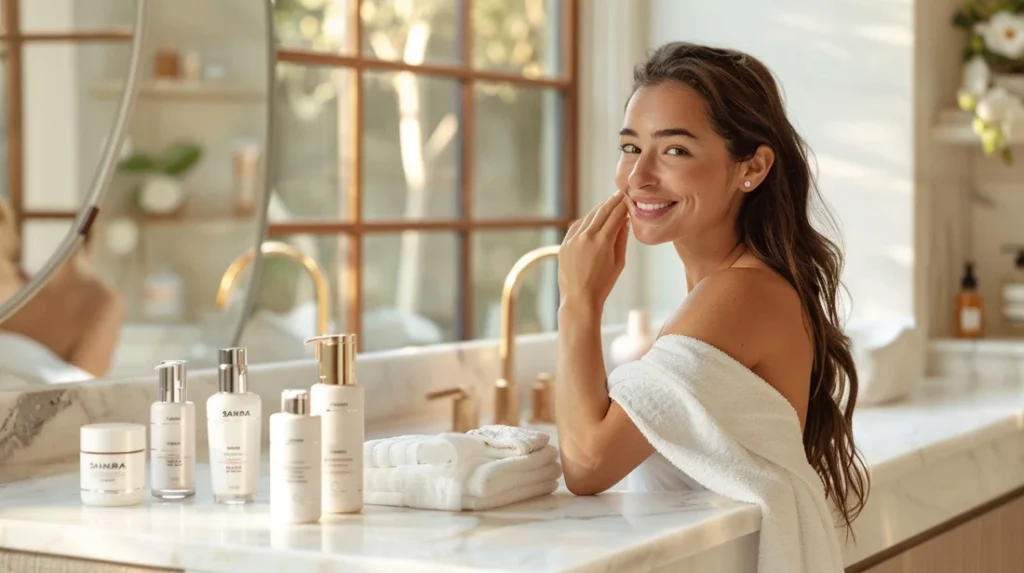
Best Beauty Products for Sensitive Skin in 2026
If your skin turns red the moment you try a new product, you already know the struggle of finding beauty products for sensitive skin that don’t backfire within a week. I’ve had friends who spent thousands chasing trending products only to end up with rashes. So let’s cut through the noise and talk about what genuinely works in 2026.
Sensitive skin isn’t one single condition — it can mean dryness, rosacea-prone skin, or skin that reacts to fragrance. So what works for one person might not work for another, and that’s fine, it’s normal.
Understanding What “Sensitive Skin” Actually Means
Before jumping into products, it helps to know your triggers. Some people react to fragrance, others to alcohol-based formulas, and some to specific actives like retinol or high-percentage acids.
Quick answer: Sensitive skin typically reacts to fragrance, alcohol, and harsh actives — the safest beauty products for sensitive skin are fragrance-free, pH-balanced, and contain soothing ingredients like ceramides, centella asiatica, or oat extract.
Cleansers That Won’t Strip Your Skin
A cream-based, sulfate-free cleanser is basically non-negotiable here. Foaming cleansers with SLS often leave sensitive skin feeling tight and irritated afterward. Look for something with ceramides or glycerin listed near the top of the ingredient list.
Moisturizers Worth the Money
This is where I’d actually recommend spending a little more. A good barrier-repair moisturizer with centella asiatica or niacinamide calms redness over time. Cheaper petroleum-heavy creams can work too, but they sometimes feel too greasy for daytime use.
Sunscreen — The One Step You Cannot Skip
Sensitive skin reacts badly to sun exposure faster than normal skin. Mineral sunscreens (zinc oxide based) tend to cause less irritation than chemical filters. Yes, they can leave a slight white cast, but that’s a fair trade for avoiding a burning sensation.
- Look for “fragrance-free,” not just “unscented” — these are different things
- Patch test on your inner arm for 48 hours before full-face use
- Avoid products with more than 3-4 active ingredients stacked together
Makeup Products for Reactive Skin
Mineral-based foundations tend to sit better on sensitive skin than heavy liquid formulas loaded with silicones. If you’re prone to breakouts, non-comedogenic labeling actually matters here, it’s not just marketing fluff.
Products to Avoid Completely
Honestly, I’d steer clear of anything with added fragrance, essential oils in high concentration, or denatured alcohol as a main ingredient. These are the usual troublemakers behind sudden flare-ups. [link to skincare ingredients not to mix guide here]
Budget vs Premium — Does Price Matter?
Not always. Some pharmacy-brand products for sensitive skin outperform luxury ones simply because they’re formulated minimally. I’ve personally found a basic ₹400 cream working better than a ₹2,500 one loaded with “extras.”
FAQ
Q1. What ingredients should sensitive skin avoid? Fragrance, alcohol denat, and high concentrations of acids or retinoids are the most common irritants.
Q2. Are natural products always better for sensitive skin? Not necessarily — natural doesn’t mean non-irritating. Essential oils, for example, can cause more reactions than synthetic alternatives.
Q3. How do I know if a product is truly sensitive-skin safe? Check for dermatologist-tested labeling, minimal ingredient lists, and always patch test first.
Q4. Can sensitive skin use anti-aging products? Yes, but start with gentler options like bakuchiol instead of strong retinol, and introduce slowly.
Q5. Is Korean skincare good for sensitive skin? Many K-beauty products are formulated gently, but always check individual ingredient lists rather than assuming.
Alt text suggestions:
- “Fragrance-free moisturizer bottle for sensitive skin routine 2026”
- “Dermatologist recommended mineral sunscreen for reactive skin”
- “Patch testing a new beauty product on inner arm”
Conclusion
Finding the right beauty products for sensitive skin takes some trial and error, but it doesn’t have to mean constant irritation. Stick to minimal ingredient lists, patch test everything, and don’t fall for trends that don’t suit your skin type. Which of these products are you swapping into your routine first?

 LOOK 01
 LOOK 02