
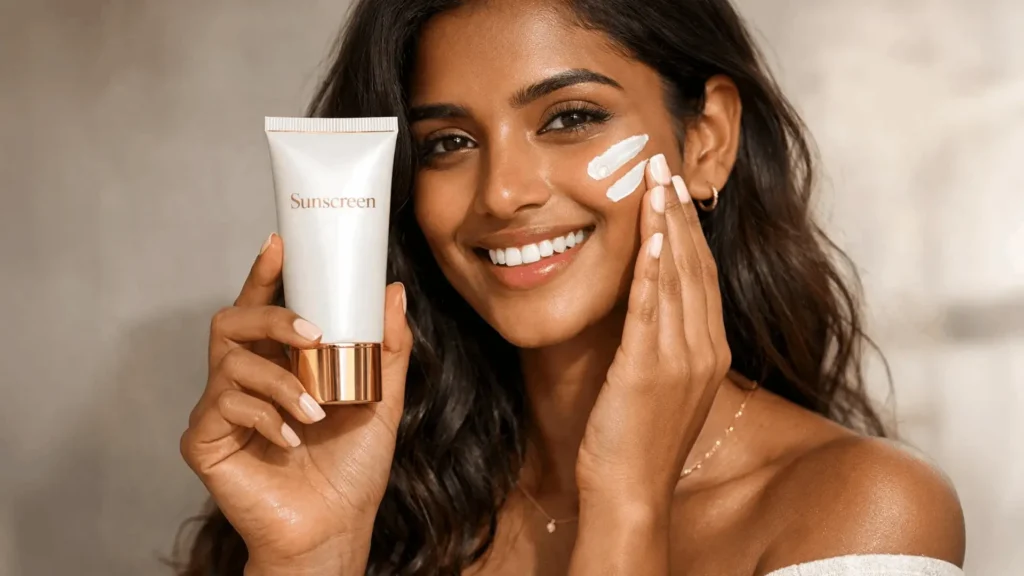
Honest Review: Top Sunscreens for Indian Skin Tones
The struggle of finding a decent sunscreen that doesn’t leave a ghostly white cast or feel like a grease layer is real, especially for Indian skin tones which often lean warmer and are more prone to noticeable cast issues with certain formulas. After testing a fair number over the past year, here’s an honest breakdown of the best sunscreen for Indian skin that actually performs well.
This isn’t sponsored, just genuine observations from actually using these day to day.
Why Indian Skin Needs Specific Sunscreen Consideration
Higher melanin content does offer some natural protection, but it doesn’t mean sun protection is optional — pigmentation and dark spots are actually a bigger concern for many Indian skin tones than sunburn itself.
Quick answer: The best sunscreen for Indian skin should be broad-spectrum SPF 30+, leave no white cast, and ideally offer a matte or semi-matte finish suited to India’s generally hot, humid climate.
What to Look for in a Sunscreen
Chemical sunscreens generally blend better without cast, though mineral ones offer gentler protection for sensitive skin. Look specifically for “no white cast” formulations if you have deeper skin tones.
Testing for White Cast Issues
This was honestly my biggest complaint with several popular options — some claim “no white cast” but still leave a visible grey tinge in photos, particularly with flash. Testing in natural daylight is more reliable than store lighting.
Matte vs Dewy Finish for Indian Climate
Given how humid most of India gets, matte or semi-matte finish sunscreens generally perform better throughout the day compared to dewy, glowy formulas that can look overly shiny within hours.
- Matte finish works best for oily/combination skin types
- Semi-matte suits most skin types in humid weather
- Dewy finish only really suits very dry skin in cooler months
Budget vs Premium Sunscreen Performance
Interestingly, several budget options under ₹500 perform comparably to premium ₹1,500+ sunscreens in terms of actual SPF protection and cast. The premium price often reflects texture refinement rather than protection level. [link to budget vs luxury skincare guide here]
- Budget options generally offer solid SPF protection
- Premium options often have better texture and finish
- Always check PA rating alongside SPF for UVA protection
Reapplication — The Step Everyone Skips
Honestly, most people apply sunscreen once in the morning and never again. For proper protection, especially during long outdoor exposure, reapplying every 3-4 hours genuinely matters more than which brand you’re using.
Common Mistakes With Sunscreen Application
Using too little product is incredibly common — most people apply about half the amount needed for proper protection. Two finger-lengths worth for the face is the generally recommended amount.
FAQ
Q1. What SPF is ideal for daily use in India? SPF 30-50 with broad-spectrum protection covers most daily needs, including moderate outdoor exposure.
Q2. Do budget sunscreens work as well as premium ones? For basic SPF protection, yes — the difference often lies in texture and finish rather than actual protection level.
Q3. How often should sunscreen be reapplied? Every 3-4 hours during direct sun exposure for continued effective protection.
Q4. Does higher melanin mean sunscreen is optional? No, deeper skin tones still need protection, particularly against pigmentation and premature aging from UV exposure.
Q5. What’s the difference between chemical and mineral sunscreen? Chemical sunscreens absorb UV rays and generally blend better; mineral sunscreens reflect UV rays and tend to be gentler for sensitive skin.
Alt text suggestions:
- “Sunscreen application without white cast on Indian skin tone”
- “Matte finish sunscreen suited for humid Indian climate”
- “Comparison of budget and premium sunscreen products”
Conclusion
Finding the best sunscreen for Indian skin takes some testing, but prioritizing broad-spectrum protection, minimal cast, and a finish suited to your skin type makes the search much easier. Which sunscreen are you trying next based on this breakdown?

 LOOK 01
 LOOK 02