
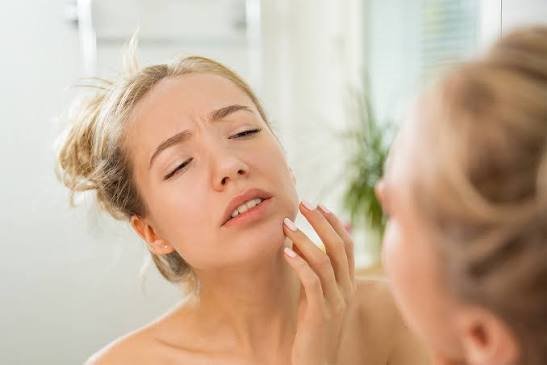
How Stress Affects Your Skin and Hair (And How to Fix It)
Ever noticed your skin breaking out right before a big exam or deadline, almost like it knows? That’s not a coincidence. The link between stress and skin health is genuinely well-documented, and once you understand the mechanism, it becomes a lot easier to manage both together instead of chasing skincare products alone.
I went through a particularly stressful year and watched my skin and hair change noticeably — dull complexion, more breakouts, and honestly more hair in my brush than usual. Turns out, this is incredibly common.
The Actual Science Behind Stress and Skin
When you’re stressed, your body releases cortisol, which increases oil production, disrupts your skin barrier, and slows down healing. This is why breakouts often appear during stressful periods, not random timing.
Quick answer: Stress and skin health are directly connected through cortisol — elevated stress hormones increase oil production, weaken the skin barrier, and trigger inflammation, leading to breakouts, dullness, and even accelerated hair shedding.
How Stress Shows Up on Your Skin
Breakouts are the most obvious sign, but stress also causes dullness, worsens conditions like eczema or psoriasis, and can even trigger premature fine lines due to increased inflammation over time.
How Stress Affects Hair Specifically
Chronic stress can push more hair follicles into a resting phase prematurely, leading to a condition called telogen effluvium — noticeable shedding that typically shows up 2-3 months after a stressful period, which is honestly why people often don’t connect the two right away.
- Increased hair shedding, often delayed by weeks
- Slower hair growth during prolonged stress periods
- Scalp tension and tightness, sometimes leading to headaches too
Managing Stress for Better Skin
This isn’t about eliminating stress entirely, that’s unrealistic for most people. It’s about building small buffers that reduce its physical impact on your body.
- Regular exercise, even short walks, lowers cortisol measurably
- Consistent sleep schedule supports skin repair processes
- Basic breathing exercises during high-stress moments
Skincare Adjustments During Stressful Periods
Simplify your routine during particularly stressful weeks rather than adding more products. Stress already compromises your skin barrier, so gentle, minimal care works better than aggressive treatments during these times. [link to skincare routine for oily skin guide here]
When to Seek Additional Support
If stress feels constant and unmanageable, and it’s visibly affecting your physical health including skin and hair, it’s worth talking to a professional rather than only treating the surface symptoms.
Long-Term Habits That Help Both Mind and Skin
Journaling, regular meals, and cutting back on excessive screen time before bed all contribute to lower baseline stress, which shows up in skin and hair health over months, not days.
FAQ
Q1. Can stress alone cause acne? Yes, elevated cortisol from stress directly increases oil production, which can trigger or worsen breakouts.
Q2. How long after a stressful period does hair shedding usually start? Typically 2-3 months later, which is why people often don’t immediately connect the two.
Q3. Does stress-related hair fall grow back? Usually yes, once the stressor is managed and hormone levels normalize, hair growth typically resumes.
Q4. Should I change my skincare routine when stressed? Simplifying rather than adding more products generally works better during high-stress periods.
Q5. Can exercise really improve skin during stressful times? Yes, regular movement lowers cortisol and improves circulation, both of which benefit skin directly.
Alt text suggestions:
- “Stressed person with breakout showing stress and skin health link”
- “Meditation and breathing exercise for stress management”
- “Hair shedding comparison showing stress-related hair loss”
Conclusion
The connection between stress and skin health is real, and no amount of skincare fully compensates for chronically high stress levels. Focus on managing stress at the root while keeping your skincare simple during tough periods. What’s one stress-management habit you could realistically add this week?

 LOOK 01
 LOOK 02