
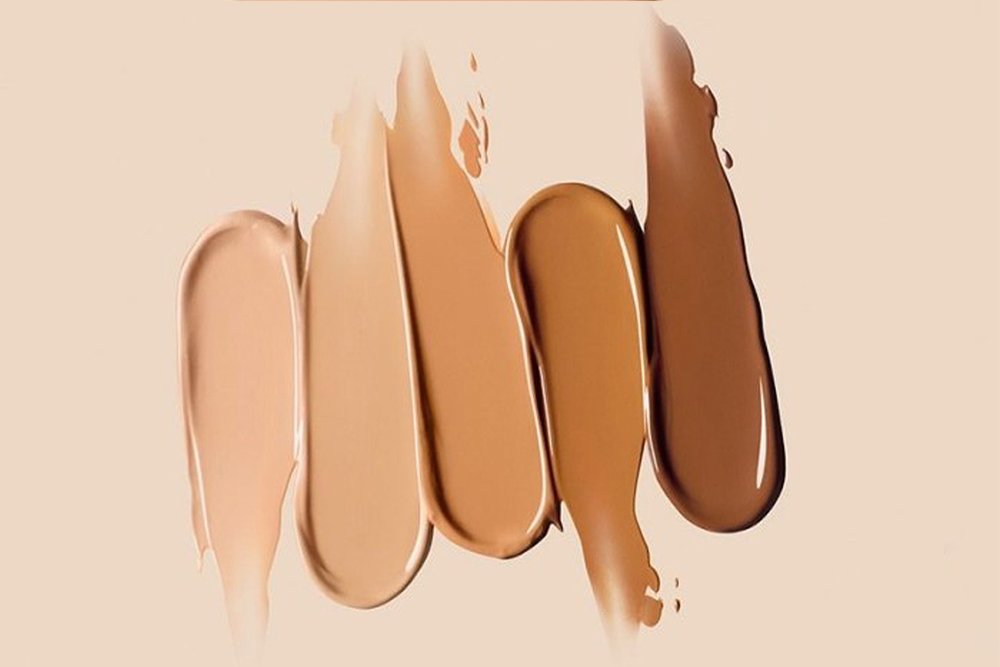
How to Choose the Right Foundation Shade Online
Ordering foundation online and receiving a shade that looks nothing like what you expected is a frustratingly common experience. Figuring out how to choose foundation shade correctly without physically testing it first genuinely takes some strategy, but it’s absolutely doable once you know what to actually look for.
I’ve been burned by wrong shades more than once, so here’s what I wish someone had told me earlier.
Why Shade Matching Online Is Genuinely Tricky
Screen color calibration, lighting in product photos, and undertone variation all make it harder to judge shades accurately compared to testing in person under natural light.
Quick answer: To correctly figure out how to choose foundation shade online, identify your undertone (warm, cool, or neutral) first, then cross-reference your shade using a brand’s existing product you already own, or compare against a similar shade-matched competitor product.
Step 1: Identify Your Undertone First
Check the veins on your wrist in natural light — greenish veins generally suggest a warm undertone, bluish/purple suggest cool, and a mix suggests neutral. This matters more than the shade depth itself for a natural-looking match.
Step 2: Use Shade-Matching Tools When Available
Many brands now offer online shade-matching quizzes or virtual try-on tools using your camera. These aren’t perfect, but they’re a genuinely useful starting reference point.
Step 3: Cross-Reference With a Product You Already Own
If you have a foundation or concealer whose shade works well for you, search for shade comparison charts online that map similar shades across different brands — this significantly narrows down your options.
- Compare undertone descriptions, not just shade names
- Check swatches from multiple reviewers with similar skin tones
- Look for shade range diversity as an indicator of accurate categorization
Step 4: Read Reviews From People With Similar Skin Tones
Look specifically for reviews mentioning skin tone and undertone, not just star ratings. Photos in reviews, when available, are honestly more reliable than the product’s official marketing images. [link to premium foundation review guide here]
- Search “[shade name] review” alongside skin tone descriptors
- Check multiple reviewers, not just one for confirmation bias
- Look specifically for photos taken in natural daylight
Step 5: Order Two Adjacent Shades If Uncertain
If you’re torn between two close shades, ordering both (if the return policy allows) and testing at home is genuinely safer than guessing and hoping. Most people can mix two shades if needed anyway for a custom match.
Understanding Seasonal Shade Changes
Your shade often shifts slightly between summer and winter due to tanning or reduced sun exposure. Keep this in mind rather than assuming one shade works year-round for every situation.
What to Do If the Shade Arrives Wrong
Check the platform’s return policy before purchasing, specifically for opened cosmetic products, since policies vary significantly between different online retailers. [link to buy makeup online India guide here]
FAQ
Q1. How do I find my undertone for foundation shopping? Check your wrist veins in natural light — green suggests warm, blue/purple suggests cool, and a mix suggests neutral undertone.
Q2. Are virtual try-on tools accurate for shade matching? They’re helpful as a starting reference but not perfectly accurate — cross-check with reviews and swatches too.
Q3. Should I order two shades if I’m unsure which is correct? Yes, if the return policy allows, ordering two adjacent shades is safer than guessing incorrectly.
Q4. Does foundation shade need to change with seasons? Often yes, particularly if your skin tans noticeably in summer compared to winter months.
Q5. What’s the most reliable way to shade match without testing in person? Comparing against a foundation shade you already know works well, using cross-brand shade comparison charts online.
Alt text suggestions:
- “Checking wrist veins to determine skin undertone for foundation”
- “Foundation shade swatches compared for accurate online matching”
- “Virtual try-on tool for foundation shade selection online”
Conclusion
Getting how to choose foundation shade right online takes a bit more effort than an in-store test, but following undertone identification and cross-referencing reviews genuinely improves your odds significantly. No more guessing and hoping for the best. What’s your current strategy for shade matching online?

 LOOK 01
 LOOK 02