
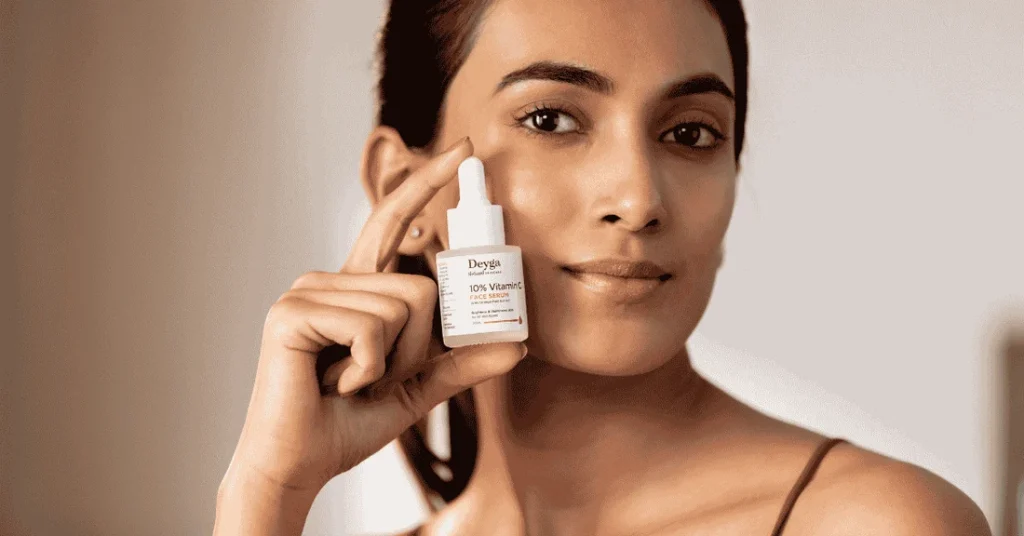
Vitamin C Serum Benefits: Why You Need One in 2026
Vitamin C serum gets recommended so often it almost feels like generic advice at this point. But there’s a solid reason dermatologists keep pushing it — the vitamin C serum benefits are genuinely backed by research, not just influencer hype. I was skeptical myself until I actually gave it three months.
Let’s break down what it actually does, because “brightening” alone doesn’t tell the whole story.
What Vitamin C Actually Does for Skin
At its core, vitamin C is a powerful antioxidant that fights free radical damage from pollution and UV exposure — the kind of damage that speeds up visible aging.
Quick answer: The main vitamin C serum benefits include brightening dull skin, fading dark spots, boosting collagen production, and protecting against environmental damage — most people notice visible results within 4-8 weeks of daily use.
Benefit 1: Brightening and Even Skin Tone
This is the most talked-about benefit, and for good reason. Vitamin C inhibits melanin overproduction, which helps fade dark spots and gives an overall brighter complexion over time.
Benefit 2: Collagen Boost
Vitamin C plays a direct role in collagen synthesis. More collagen means firmer skin and, over time, fewer fine lines. This isn’t an overnight fix though — it’s a slow, cumulative process.
Benefit 3: Sun Damage Protection (Not a Sunscreen Replacement)
It’s an antioxidant, not SPF, so don’t skip sunscreen thinking vitamin C covers you. But together, they work better than either alone against UV-related damage.
Benefit 4: Reduces Redness and Inflammation
For some people, especially those prone to mild redness, vitamin C has a calming effect over time, though this varies a lot person to person.
- Fades post-acne dark marks gradually
- Improves overall skin texture with consistent use
- Works well combined with sunscreen for daytime protection
How to Actually Use Vitamin C Serum Correctly
Apply after cleansing, before moisturizer, in the morning ideally. A few drops go a long way — using too much doesn’t speed up results, it just wastes product.
Common Mistakes People Make With Vitamin C
Mixing it directly with certain other actives like retinol or strong acids can reduce effectiveness or cause irritation. I made this mistake early on and ended up with irritated, flaky skin for a week. [link to skincare ingredients not to mix guide here]
- Storing it in direct sunlight (it degrades and oxidizes)
- Using an old, browned bottle (it’s no longer effective once oxidized)
- Layering it with incompatible actives without proper spacing
Choosing the Right Concentration
Beginners should start around 10-15% concentration. Higher percentages like 20% can be harsher, especially for sensitive skin types.
FAQ
Q1. Can vitamin C serum be used every day? Yes, daily use, typically in the morning, gives the best consistent results.
Q2. What can’t I mix with vitamin C serum? Avoid mixing directly with retinol or niacinamide in the same application if you have sensitive skin, though many formulas now combine these safely.
Q3. How long until vitamin C serum shows results? Most people see visible brightening within 4-8 weeks of consistent daily use.
Q4. Does vitamin C serum help with acne scars? It helps fade discoloration from acne marks, though it won’t affect textural scarring significantly.
Q5. Can I use vitamin C serum at night instead of morning? Yes, it still works at night, though morning use pairs well with its antioxidant, sun-protective role.
Alt text suggestions:
- “Vitamin C serum bottle with dropper on skincare shelf”
- “Applying vitamin C serum to face for brightening”
- “Before and after skin tone improvement from vitamin C use”
Conclusion
The vitamin C serum benefits are real, but they come with patience and consistency, not overnight magic. Start with a lower concentration, use it correctly, and give it at least two months before judging results. Is vitamin C already part of your routine, or is this the push to finally add it?

 LOOK 01
 LOOK 02