
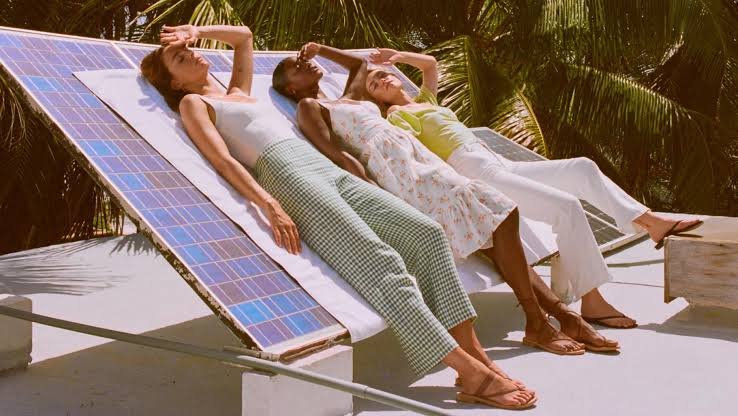
Sustainable Fashion Brands Worth Trying This Year
A few years back, “sustainable fashion” mostly meant beige linen and not much else. Thankfully, that’s changed a lot. Sustainable fashion brands in 2026 are proving that eco-conscious clothing doesn’t have to mean boring or overpriced, and honestly, some of these pieces are better made than fast fashion ever was.
If you’re just starting to shift toward more conscious shopping, here’s where I’d actually recommend looking.
Why Sustainable Fashion Matters More Now
Fast fashion’s environmental impact isn’t exactly news anymore, but the scale still surprises people — the fashion industry accounts for a significant chunk of global carbon emissions and water usage.
Quick answer: Sustainable fashion brands use ethically sourced materials, fair labor practices, and reduced environmental impact in production — making them a better long-term choice than disposable fast fashion pieces that wear out quickly.
Homegrown Indian Brands Doing It Right
There’s been a genuine rise in Indian labels using handloom fabrics, natural dyes, and local artisan networks. These brands often cost a bit more upfront but the quality and craftsmanship easily justify it. Supporting local artisans is a nice bonus too.
What Makes a Brand Genuinely Sustainable (Not Just Marketing)
This is where it gets tricky — “greenwashing” is a real problem. A brand slapping “eco” on packaging doesn’t automatically mean sustainable practices behind the scenes.
- Look for transparency about supply chains and factory conditions
- Check for certifications like GOTS (organic textile standard)
- Avoid brands that release new collections weekly — that’s a red flag regardless of claims
Thrifting and Upcycling — The Most Sustainable Option
Honestly, the most sustainable brand is often no brand at all — thrifted or upcycled clothing has zero new-production footprint. I’ve found some genuinely great pieces at secondhand stores that outshine anything I’ve bought new.
Budget-Friendly Sustainable Options
Sustainable doesn’t have to mean expensive. Several brands now offer mid-range pricing, and even small changes like buying fewer, better pieces count as a sustainable shift. [link to capsule wardrobe on a budget guide here]
Materials to Look For
Organic cotton, Tencel, recycled polyester, and hemp are generally better choices than conventional cotton or virgin polyester, both in terms of water usage and biodegradability.
- Organic cotton — lower water usage than conventional cotton
- Tencel/Lyocell — biodegradable and produced in closed-loop systems
- Recycled fabrics — reduces landfill waste directly
How to Shop Sustainably Without Breaking the Bank
Buy less, buy better, and repair rather than replace. It sounds simple because it is — the hard part is resisting impulse buys, which, let’s be real, is a struggle for most of us.
FAQ
Q1. Are sustainable fashion brands always more expensive? Not always, but quality materials and fair wages do sometimes push prices slightly higher than fast fashion.
Q2. How can I tell if a brand is greenwashing? Check for actual certifications and supply chain transparency rather than vague eco-claims.
Q3. Is secondhand shopping considered sustainable fashion? Yes, arguably it’s the most sustainable option since it requires no new production.
Q4. What materials should I avoid for sustainability? Virgin polyester and conventional cotton generally have higher environmental costs.
Q5. Can sustainable fashion be trendy? Definitely — many sustainable brands now focus heavily on current styles, not just basics.
Alt text suggestions:
- “Sustainable fashion clothing made from organic cotton”
- “Handloom fabric sustainable brand clothing display”
- “Thrifted clothing rack as sustainable fashion alternative”
Conclusion
Shopping consciously doesn’t mean giving up style — sustainable fashion brands in 2026 prove that eco-friendly and fashionable can absolutely coexist. Start small, maybe with one thoughtful purchase, and build from there. Which sustainable swap are you making first?

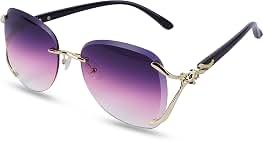 LOOK 01
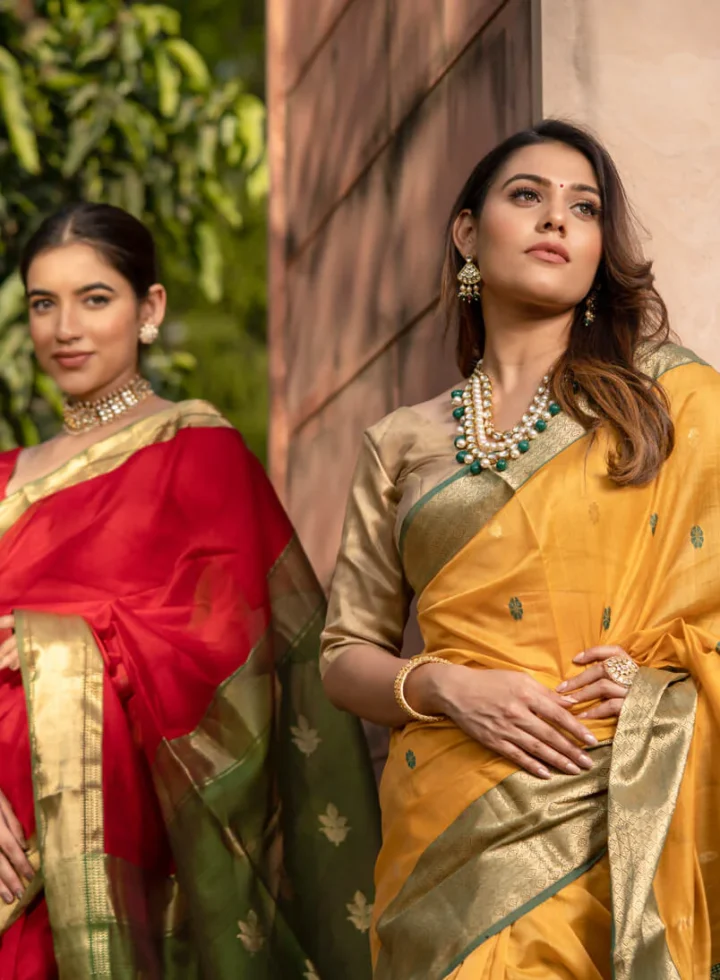 LOOK 02
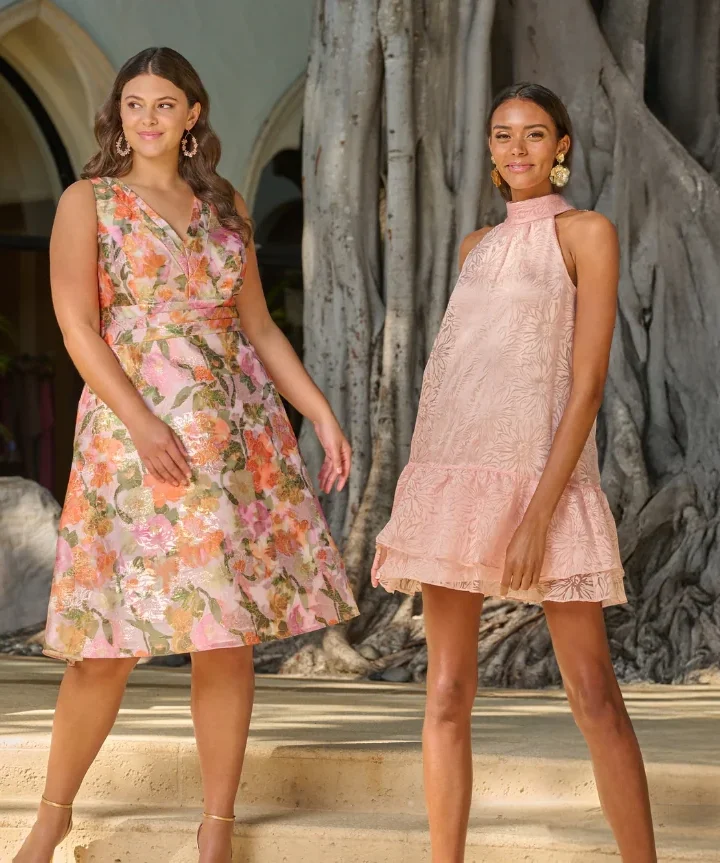 LOOK 03